Succession: Filling Someone Else’s Shoes
Overwhelmed by the expectations from an established AVTF program you are now leading? Here are some areas of focus for a successful start.
Jeffrey Morris
It’s mid-June and I’m already thinking about and planning for fall. I should just be taking a break and putting last year behind me, but I’m too excited. Because for the first time in nine years, I’m not going back to the same school. I don’t know the culture of the school I will be at this fall. I don’t know the students or the other teachers. And they don’t know me.
“You’ve got big shoes to fill.” I probably heard this a dozen times as I visited the school I am transitioning to. The program I will be teaching and leading is well established. The former teacher retired – someone who is well-liked by the students and staff, and who maintained a program that is a well-oiled machine. It’s both daunting and exciting.
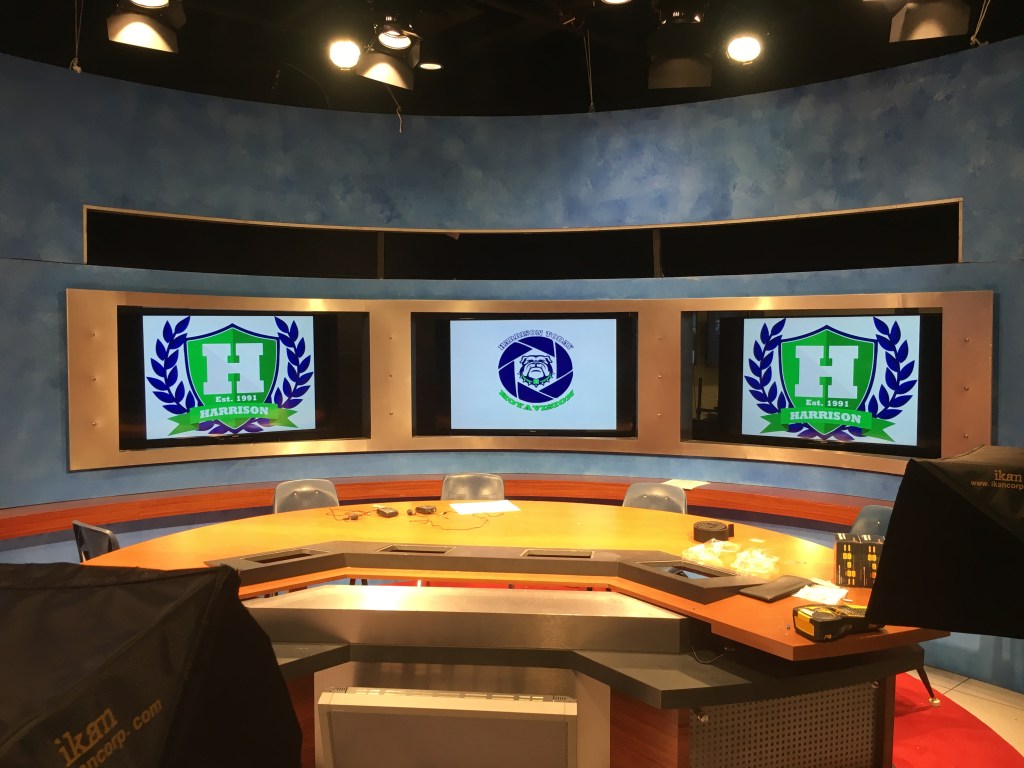
I’ll be teaching in a classroom that a different teacher ran last year. With equipment that someone else purchased that may or may not be what I think works best. Figuring out a system of running a production that the students are already familiar with, but I am not. A different school schedule, a different budget, different administration with different experiences and expectations. It seems overwhelming, but after teaching at six different schools (I have also taught and advised programs on the college and university level), I know I have time. I don’t have to know everything at the beginning of the year, and there is time once the school year begins to really get everything in order.
So if you find yourself in a similar position, take a breath. You don’t have to have everything together at the start. Sometimes those shoes you find yourself in are really big and you need time to fill them…or even change the shoes all together.
But I like strong, fast starts.
Let’s back up. The last school I was at for nine years, and I ran a program that I built from nothing. I had a great setup, and I had everything down. You could ask me what I was doing any given week of the semester, and I could give you a pretty clear answer. That is all out the window. Not because it won’t work at the school I am moving to, but because the program I am moving to is not yet my own. It would also be too much to expect for the teacher succeeding me at my old school to try to do everything that I did.

I have a lot of decisions to make. Having developed my own curriculum and system at my previous high school, I could scrap everything they’ve been doing and restart it the way I have done it. OR I can try to keep everything running exactly how the students are used to and drive myself crazy trying to run a system I’m not familiar with. Transitions are weird. I don’t plan to ignore the old shoes, but let’s say they need new laces and a good wax and shine to look fresh and new again.
I have noticed that because most AVTF programs are run by a single teacher, they all become inextricably linked to that teacher, for good or ill. And they all become little cults of personality.
How long does it take to make a program your own after a transition? A semester? A year? A full cycle of pathway completers? A full 4-year turn over? Impossible to say. The variables are too many to count, and school populations are too unpredictable. So, now that we’re hopelessly resolved to things out of our control, what can we do as teachers to make the best of these transitions for ourselves and our students? Here is my strategy.
Talk to and listen to the students FIRST. The students are the reason we do this (right?). I need to be a student of the program – for at least a little bit. I’m always interested in how other teachers run their programs, which is why many of us attend conferences and externships. Hearing how things have been done from the student point of view can be very instructive. What did they like? What do they not understand (yet)? Most AVTF programs have students that completely buy into the program, and a change in teachers threatens their expectations and goals. Some students can be very territorial with a program when a new teacher comes in (“_______ would never have done that.” or “______ had us do it this way.”). I want to keep these students engaged and involved, so I need to listen to them and then decide what changes, if any, will work best.
Celebrate the program’s past successes and ensure that the institutional memory will remain. Focus on the opportunities the program offers and any successes from the past. Ask the students what they are proud of. Give those students in the middle of the pathway an opportunity to present previous work, not for critique but to get to know them. I’ve been surprised at the number of teachers that go into an established program and pretend like the years preceding them didn’t exist or don’t matter. Or worse, bad-mouth the previous teacher(s). Leave the whining and complaining (if there is any to be done) to the students. There should be a place for them to air any issues they had, and that is a time to listen (see above). Then, help them move on. My approach is to not let any complaints take the focus…focus instead on what needs to be done to move forward.
Take time for lots of informal assessments. I intend to quiz the upper-level students immediately and often over the first month. These are students who have already been involved and have some experience. I don’t yet know what they don’t know, and they don’t either. Some of them will surprise me with the amount that they know. But because we are using equipment that needs to be cared for and maintained, I need to rapidly get an understanding of their knowledge and skill level. This takes time and a single written assessment is not enough for me. This also gives me time to really test out the equipment to see what works (and in some cases how it works) to figure out the best use for everything together.
Trust takes time to be earned…and it goes both ways. I am generous with student use of equipment. My philosophy is – equipment purchased with public money should be used…not sit in a closet. But I’m deliberate about it. I want to trust these students, but I don’t KNOW that I can trust them yet. At my previous school, I knew who I could trust to take the expensive stuff and who I couldn’t. On the other hand…these new students don’t know that they can trust me yet either. I had the benefit of years of credibility at my previous school. Students talk, and most students that took my classes knew what I was like based on what their friends told them. At the school I am moving to, I am an unknown quantity. So, like it or not, I have to prove myself to them too. It means I need to actually know answers to their questions, have a vision for where the program can and should go, and know how to get it there.
Vision casting and re-branding are important parts of a transition. I want the students to understand my vision for the program, and I intend to communicate that at the start of the school year and repeat it as often as necessary. There are also a lot of elements outside of the classroom that are part of my program that I need to round up. There’s the social media accounts for the student-produced shows, the YouTube channel, a website that will need to be maintained. Not only do I need to make sure I have access to these, it’s also an opportunity to update and re-brand the program to signal a new chapter. I own the vision casting and program re-branding because going forward, I am the one responsible for continuity in the program for X number of years. The students are only there for four years and may be involved in the program less than that.
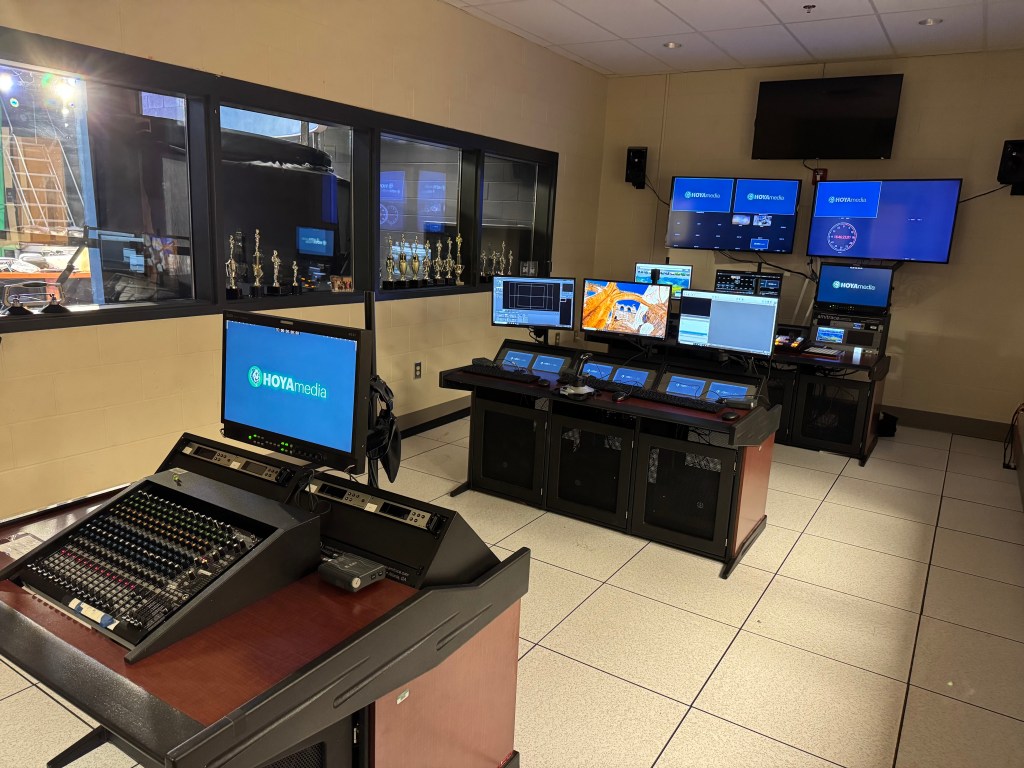
Teaching filmmaking and broadcast production is a passion of mine. It’s my vocation. I don’t show up for just a pay check. Our job is to train these students and teach them the skills to begin – and keep – a career regardless of what they choose to do. Building and maintaining the relationships with our students is an important part of our role, and that is a great place to start at a new school. Those old shoes, while big, don’t have to just disappear, but you can take the time to evaluate them and make changes and repairs where needed.