
Confidence is a Skill, Not a Gift
Students build confidence through experience and are not necessarily born with it.
They Don’t Get Confident and Then Do It
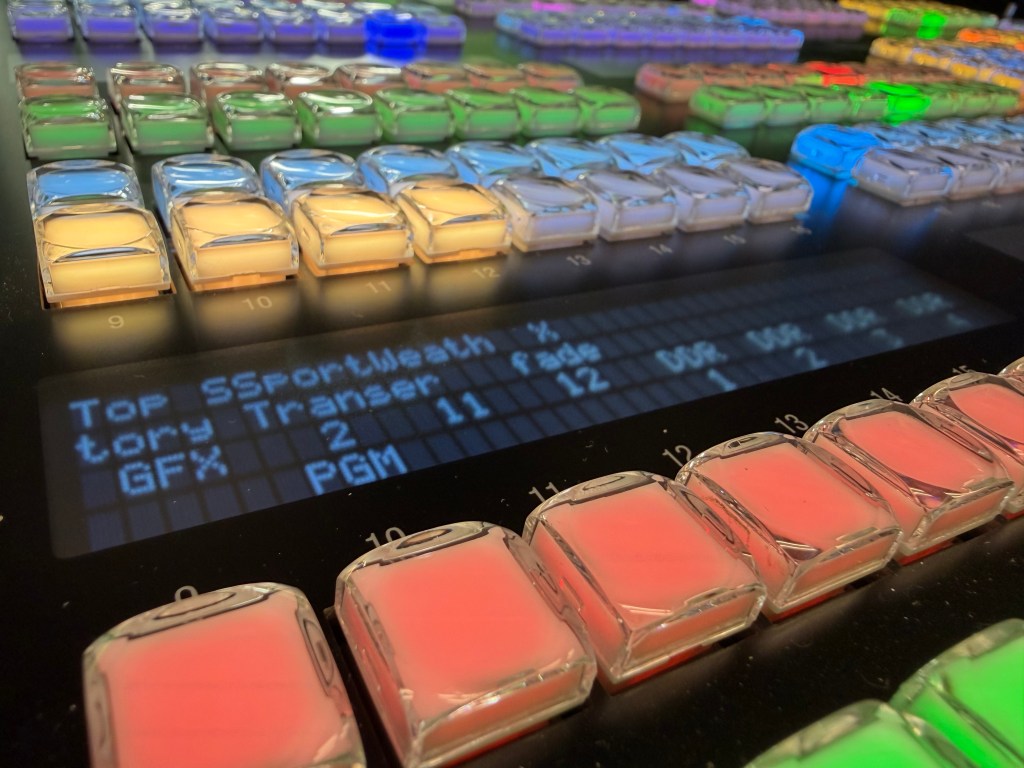
She wouldn’t touch the board.
Smart kid. Knew the show better than anyone in the room. Could tell you the rundown from memory, could tell you which camera was soft before I saw it. And every time I pointed at the switcher seat, she found a reason to be somewhere else. Cable cart needed organizing. Somebody’s lav needed a battery.
I let her do it for most of a semester. I told myself she’d come around when she was ready.
She never came around. I just ran out of semester.
Confidence is not something you wait for
Here’s the part I got wrong for a long time. I treated confidence like a gift or talent. Like it was something a student showed up with, and my job was to spot who had it and put those kids in the important seats.
So the show ran clean. The same four kids ran everything. And the other eighteen learned exactly what I was teaching them without meaning to teach it… you are not one of the people who does this.
Confidence is not a personality. It is a residue. It is what’s left over after a student survives something in front of other people. Which means you cannot hand it to them, and you cannot talk them into it. You can only build the situation where they earn it, and then get out of the way.
The good news is the situation is buildable. It’s a lesson design problem, not a kid problem.
Give reps before you give roles
The fastest way to make a student afraid of a job is to make the job feel like a promotion.
When the switcher is a title, it belongs to whoever earned it, and everybody else understands they haven’t. When the switcher is just Tuesday, it belongs to everybody.
So separate the two. Roles get assigned for the show. Reps get assigned to everyone, all the time, in two minute chunks, on nothing that matters. Run a fake segment on the lunch menu. Cut a two shot of two kids arguing about whether hot dogs are sandwiches. Every student takes the seat. Nobody watches from the back.
The rep is not about skill. The rep is about the seat becoming ordinary. A kid who has sat in a chair forty times does not experience the forty first time as a moment.
Teach the recovery, not the performance
Most of us teach students how to run a clean show. Almost nobody teaches them what to do after they blow it.
So when it happens, and it always happens, the student has no script. They have a wrong source on the program monitor, twelve people watching, and nothing in their training for the next four seconds. That silence is where students decide the board isn’t for them.
Build the drill. Punch the wrong source on purpose during practice and make them recover. Kill an audio channel mid segment and see who reaches for it. Hand a talent a question they can’t answer and let them get out of it on their own.

Then say the thing out loud, because they won’t believe it until you do: everybody does this. I do this. The difference between you and the person you think is better than you is not that they don’t miss. They just get back faster.
A student who has practiced recovering stops fearing the mistake. That’s most of the fight right there.
Build a ladder for the stranger conversation
The interview is where I see the most avoidance, and it’s the skill with the longest reach outside the classroom. Every one of these kids is going to have to walk up to somebody someday and ask for something.
Don’t start them with a stranger. Start them with the easiest possible person and climb.
Interview a classmate about something dumb. Interview a teacher they already like. Interview a teacher they’ve never had. Interview a coach in the middle of practice. Interview somebody in the front office who is busy and does not want to talk to them.
Each rung looks small. Together they’re the whole climb.
And teach the silence. This is the one nobody teaches and the one that changes everything. When a student asks a question and the answer stops, their instinct is to fill the gap immediately with another question. Train them to sit in it. Three seconds of nothing is where the real answer lives. Every adult they interview will keep talking, and the second thing they say is always better than the first.
Practice it as a drill. Ask a question. Count to three in your head. Say nothing. It feels awful the first ten times and then it becomes the most useful thing they own.
Hand over the decision, not just the task
There’s a difference between a student who executes and a student who decides. You can build the first one in a month. The second one takes longer, and it only grows when the decision is actually theirs.
So stop calling the shots for them. Instead of “go to camera two,” try “you call it.” Then live with what they pick.
When you debrief, debrief the decision and not the outcome. If a student made a defensible call and it landed badly, tell them the call was right. If they got lucky on a call they couldn’t explain, say that too. Students learn very quickly what you’re actually grading. If you only respond to how it looked, they’ll learn to protect the look and never risk a decision again.
The kid who has been asked to decide two hundred times has judgment. The kid who has been told what to do two hundred times has compliance. Those look identical in a quiet classroom and completely different in a live show.
What to do Monday
Pick the student who has been finding reasons to be somewhere else.
Not a conversation about their potential. Not a pep talk. Give them two minutes of nothing on the switcher, in front of the room, on a segment nobody will ever see. Let them miss. Do not step in and fix it for them.
Then put them back in the seat Thursday.
That’s it. That’s the lesson. You are not building a technician. You are building the version of that kid who walks up to a stranger in four years and asks the hard question without flinching, because a teacher once made sitting in the chair the most ordinary thing in the world.