
Building a Sustainable College Sports Live streaming Program
Live streaming college sports presents unique challenges for educators. How do you coordinate with athletics, fund equipment, manage overlapping games and, most importantly, build reliable student production crews?
Start With a Curriculum
Gaston College launched an athletics program toward the end of COVID-19, when enrollment was declining and teaching software-based courses online was challenging. Our Audio/Video program agreed to live stream games despite having limited equipment, multiple venues and no sports production curriculum.
We quickly discovered that relying on volunteers would be unsustainable, and needed to find a small pool of money to pay our A/V alumni to help staff our beginning crews. Our solution was to introduce a sports live streaming course within our existing Audio/Video program and make it a requirement. We also developed a production certificate combining the new course with existing offerings, and added a high school CTE pathway to attract more students.
The course was initially an elective, but we found that students were hesitant to enroll. Meanwhile, five athletic programs generated competing production demands. The lesson was clear: live streaming needed to become more than an extracurricular opportunity for our students. It was time to make it part of our educational structure, not simply an extracurricular opportunity.
Get a Dedicated Producer
One of our most important decisions was establishing a full-time Sports Producer position, made possible through the support of our college president. Our producer provides continuity as student crews change each semester. He transports equipment, supervises productions, teaches students and troubleshoots technical problems. When staffing is limited, he can produce games with minimal assistance.
Having an experienced professional on-site creates a supportive learning environment for students who take responsibility while knowing someone is available when they run into challenges. Without this position, maintaining consistent production quality would be more difficult.
Get Extra Help
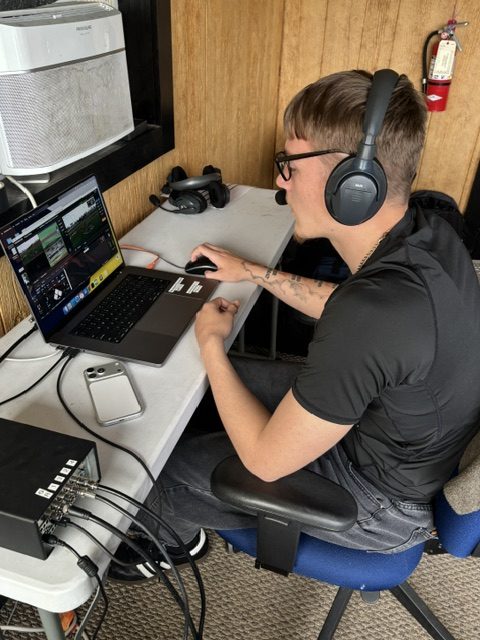
Last spring, we streamed more than 90 games. That workload would have been impossible without additional support. We employ work-study students who serve as experienced crew members, mentor beginners and assume leadership responsibilities. We also have a lab assistant who helps cover games when students have conflicting academic obligations.
Our staffing model combines a professional producer, instructors, experienced student employees and beginning students. This approach has given us some flexibility while creating opportunities for students to develop leadership skills. Experienced students become mentors, strengthening the entire production operation.
Build Accountability Into the Grade
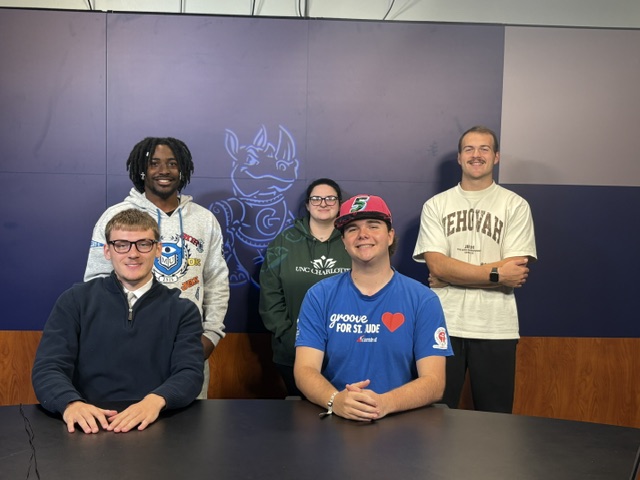
Perhaps our most valuable discovery was that academic accountability works better than volunteer recruitment. Students receive the required number of production assignments each semester. They review available games, select events that accommodate their schedules and register through a shared spreadsheet. Participation contributes to their course grades, making attendance an academic responsibility.
We also offer alternative production opportunities, which we call “events,” allowing students to complete requirements beyond athletic games. This approach respects students’ scheduling challenges while establishing clear expectations.
Most importantly, students are participating in real-world learning experiences that develop professional skills and reinforce classroom instruction.
Learn from Peer Schools
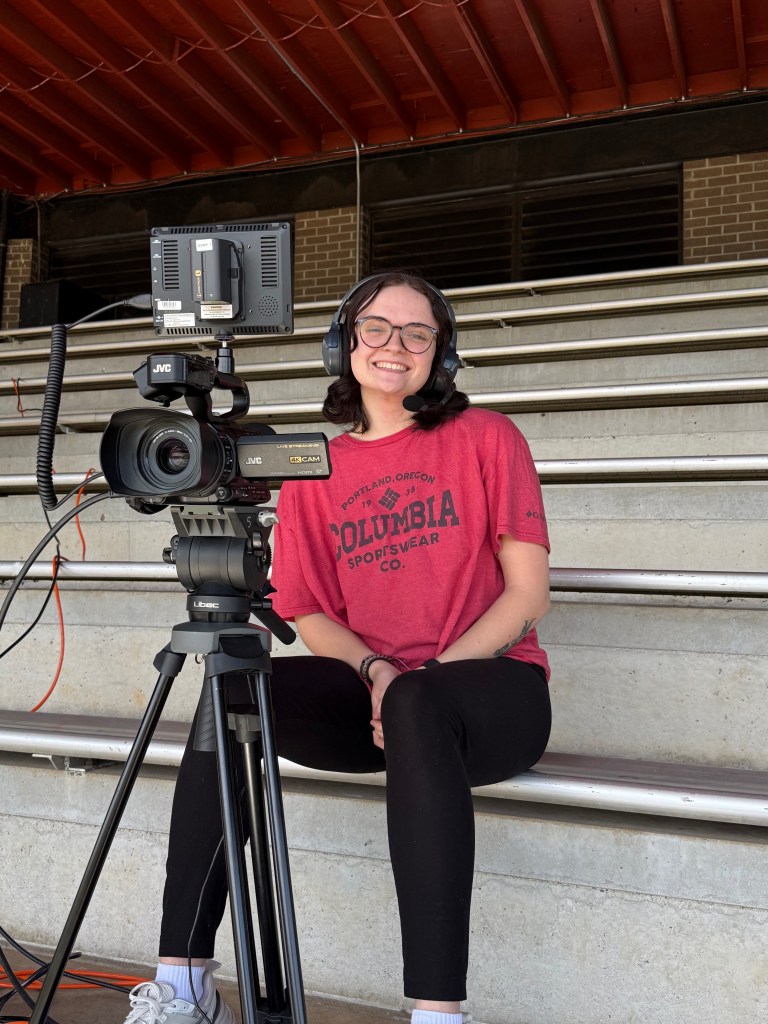
You don’t have to build a live streaming operation entirely through trial and error. We benefited tremendously from our relationship with Belmont Abbey College, which already had established athletics live streaming operation. Their experience helped us navigate questions about equipment, staffing, and production workflows.
My advice is to identify an institution doing similar work and initiate a conversation. Ask what equipment they recommend, how they organize crews, how they train students and what mistakes they would avoid. A simple conversation with experienced colleagues can prevent expensive decisions and accelerate your program’s development.
Choose Student-Friendly Equipment
The most sophisticated equipment is not necessarily the best equipment for an educational environment. We use Hudl’s Production Truck software because students can learn its production workflow without facing an overwhelming technical learning curve. We also advocated dedicated sports production equipment designed to withstand frequent transportation and repeated setup.
Unlike equipment permanently installed in a studio, our cameras, tripods and cables travel between venues and are handled by students with varying experience levels. Reliability, portability and ease of operation are essential.
When evaluating equipment, consider how quickly inexperienced students can learn to use it, how easily it can be transported and whether it can withstand repeated handling.
Lobby for Support from Your Organization and Community
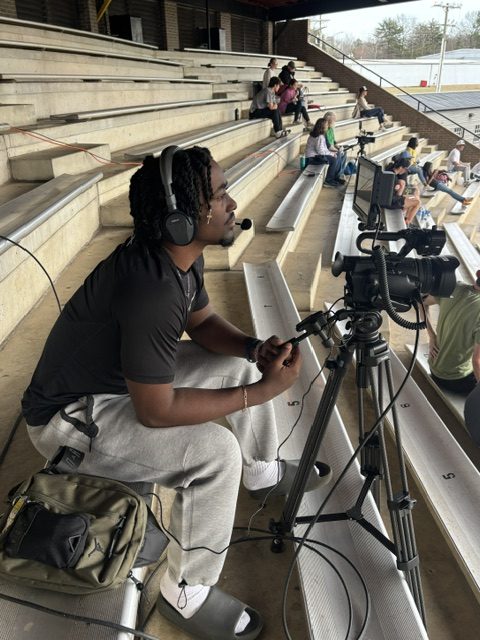
Institutional support has been fundamental to our success. Our college has funded much of our equipment and staffing but securing that investment required demonstrating the program’s educational value.
Sports live streaming should not be presented solely as a service for athletics. It is an instructional laboratory. Students develop skills in camera operation, directing, audio, graphics, interviewing, announcing, editing and storytelling. They also learn communication, teamwork, time management and problem-solving under real deadlines. These experiences are difficult to replicate in a traditional classroom.
When requesting resources, emphasize the academic outcomes, workforce preparation and opportunities for students to build professional experience. The stronger the connection between athletics and education, the stronger the case for institutional investment.
Sponsorships are also an important part of our success. We secure a food sponsor every year, which feeds our media team during doubleheaders. The students are unpaid and a free meal helps get them there.
From a Class to a Program
Our college president envisioned a dedicated Sports Media program. However, North Carolina had no existing two-year program of this kind for us to replicate, so we had to develop our own.
The process involved industry research, state applications, curriculum development, institutional approvals and community partnerships. We incorporated practicum courses throughout all four semesters, ensuring students could participate in live productions as they progressed through the program.
This created a strong training pipeline: beginners learn foundational skills, gain experience and later mentor incoming students. Our existing Audio/Video program provided an essential foundation, including instructors, facilities, equipment and established coursework. By sharing resources and technical courses, we developed Sports Media Technology without building an entirely separate infrastructure.
Where We Are Today
Today, Gaston College has a dedicated Sports Media Technology program, professional production staff, paid student employees, leadership opportunities and hands-on practicum experiences. We recently celebrated our first graduating class, and watching those students enter the industry has been especially rewarding.
We remain the only two-year program of this kind in North Carolina, attracting students beyond our immediate community. Other colleges have visited to explore developing similar programs.
Challenges remain. Many students work full-time, making evening and weekend assignments difficult. Technology evolves faster than our equipment budgets, and operating across venues we don’t own requires constant transportation and setup. Nevertheless, these challenges reflect the realities of professional sports production and provide valuable learning opportunities for our students. We will continue to refine our approach as the program grows.
What’s Next
What began as an improvised solution during COVID has become something much more meaningful: a sustainable academic program where students learn by doing, develop confidence and prepare for careers in sports media.